<!-- pp-seo:intro --> Browse our pain relief range below: genuine products from licensed suppliers, honest per-pack pricing and discreet worldwide delivery. This guide explains what is in the category, how we verify quality and how ordering works from start to finish. <!-- pp-seo:/intro --> <strong>Table of Contents</strong><a href="#what-you-will-find-in-our-pain-relief-category">What You Will Find in Our Pain Relief Category</a><a href="#quality-and-sourcing-for-pain-relief-products">Quality and Sourcing for Pain Relief Products</a><a href="#ordering-pain-relief-from-this-category">Ordering Pain Relief From This Category</a><a href="#discreet-delivery-and-support">Discreet Delivery and Support</a><a href="#pain-relief-frequently-asked-questions">Pain Relief: Frequently Asked Questions</a> <strong>Table of Contents</strong><a href="#what-you-will-find-in-our-pain-relief-category">What You Will Find in Our Pain Relief Category</a><a href="#quality-and-sourcing-for-pain-relief-products">Quality and Sourcing for Pain Relief Products</a><a href="#ordering-pain-relief-from-this-category">Ordering Pain Relief From This Category</a><a href="#discreet-delivery-and-support">Discreet Delivery and Support</a><a href="#pain-relief-frequently-asked-questions">Pain Relief: Frequently Asked Questions</a> <strong>Table of Contents</strong><a href="#what-you-will-find-in-our-pain-relief-category">What You Will Find in Our Pain Relief Category</a><a href="#quality-and-sourcing-for-pain-relief-products">Quality and Sourcing for Pain Relief Products</a><a href="#ordering-pain-relief-from-this-category">Ordering Pain Relief From This Category</a><a href="#discreet-delivery-and-support">Discreet Delivery and Support</a><a href="#pain-relief-frequently-asked-questions">Pain Relief: Frequently Asked Questions</a> <!-- pp-seo:start --> What You Will Find in Our Pain Relief Category This category collects every pain relief product we stock in one place, so you can compare strengths, pack sizes and manufacturers side by side. Each listing shows exactly what is in the box — the manufacturer, the strength per unit and the number of units per pack — with no vague descriptions and no surprises at checkout. If a variant you need is out of stock, the page says so rather than letting you wait on a backorder you cannot see. Quality and Sourcing for Pain Relief Products We buy pain relief products from licensed suppliers only, and every batch is verified before it reaches the shelf: sealed manufacturer packaging, correct strength on the label and a valid expiry date. Anything that fails those checks does not get dispatched. That standard applies to every item in this category, whether it costs twenty dollars or two hundred. Ordering Pain Relief From This Category Choose the strength that matches your prescription, pick a pack size that covers the period you need, and check out with card or cryptocurrency. Payment runs through encrypted, PCI-compliant processors, and your bank statement shows a neutral billing descriptor. Orders leave our facility within 24 hours on business days with a tracking number emailed to you before the parcel reaches the first sorting hub. Discreet Delivery and Support Every parcel ships in plain, unmarked packaging with no pharmacy branding on the outside, and no description of the contents on the label. Delivery is tracked end to end, worldwide, with standard and express options at checkout. If anything about your pain relief order needs attention, our support team answers by live chat and email every day — most questions settle in a single reply. Pain Relief: Frequently Asked Questions Are the pain relief products on this page genuine? Yes. We source from licensed suppliers and verify every batch for sealed manufacturer packaging, correct strength and a valid expiry date before dispatch. How is pain relief packaging kept discreet? Plain, unmarked boxes with no pharmacy branding and no description of contents on the label. Your bank statement also shows a neutral billing descriptor. How fast does a pain relief order ship? Orders dispatch within 24 hours on business days, and the tracking number reaches your inbox as soon as the parcel scans into the carrier network. <em>Further reading: independent background on pain relief at <a href="https://en.wikipedia.org/wiki/Pain_relief" rel="dofollow noopener" target="_blank">Wikipedia</a> and the <a href="https://www.nhs.uk/medicines/" rel="dofollow noopener" target="_blank">NHS medicines information service</a>.</em> Browse the full <a href="https://pocketpillspharmacys.com/shop/">PocketPills shop</a> for related products, or read our <a href="https://pocketpillspharmacys.com/faq/">ordering FAQ</a> before checkout. Consistency matters more than almost any other factor when you are managing a long-term treatment. Take each dose at the same time of day, use a pill organizer or phone reminder if that helps, and never double up after a missed dose without checking the patient leaflet or asking a pharmacist first. Keep an up-to-date list of everything you take — prescriptions, over-the-counter products and supplements — and share it with any clinician who treats you. Interaction checks are only as good as the information behind them, and an honest medication list is one of the simplest ways to stay safe. Plan refills ahead. Running out of a medicine abruptly is one of the most common — and most avoidable — problems patients run into. Order replacements before your current supply drops below a week, and keep your pharmacy's contact details handy in case delivery timing changes. Storage is easy to overlook. Most medicines belong at room temperature, away from bathroom humidity and direct sunlight, in their original labeled packaging. Proper storage protects potency from the first dose to the last. Patients often ask how to get the most from their care between appointments. Keep a simple symptom diary for the first few weeks of any new treatment, note the timing of each dose, and bring that record to your next consultation — clinicians can adjust therapy far more precisely when they see real patterns rather than recall. Cost is another common concern. Compare pack sizes rather than headline prices, check whether a larger pack lowers the cost per dose, and remember that repeat-order promotions exist for a reason — many patients set a reminder to reorder on the same day each month and never pay rush prices again. Finally, treat online information — including this article — as general guidance, not a substitute for personalized medical advice. Your prescriber knows your history, your other medicines and your goals; nothing on the internet does. Consistency matters more than almost any other factor when you are managing a long-term treatment. Take each dose at the same time of day, use a pill organizer or phone reminder if that helps, and never double up after a missed dose without checking the patient leaflet or asking a pharmacist first. Keep an up-to-date list of everything you take — prescriptions, over-the-counter products and supplements — and share it with any clinician who treats you. Interaction checks are only as good as the information behind them, and an honest medication list is one of the simplest ways to stay safe. Plan refills ahead. Running out of a medicine abruptly is one of the most common — and most avoidable — problems patients run into. Order replacements before your current supply drops below a week, and keep your pharmacy's contact details handy in case delivery timing changes. Storage is easy to overlook. Most medicines belong at room temperature, away from bathroom humidity and direct sunlight, in their original labeled packaging. Proper storage protects potency from the first dose to the last. Patients often ask how to get the most from their care between appointments. Keep a simple symptom diary for the first few weeks of any new treatment, note the timing of each dose, and bring that record to your next consultation — clinicians can adjust therapy far more precisely when they see real patterns rather than recall. Cost is another common concern. Compare pack sizes rather than headline prices, check whether a larger pack lowers the cost per dose, and remember that repeat-order promotions exist for a reason — many patients set a reminder to reorder on the same day each month and never pay rush prices again. Finally, treat online information — including this article — as general guidance, not a substitute for personalized medical advice. Your prescriber knows your history, your other medicines and your goals; nothing on the internet does. Consistency matters more than almost any other factor when you are managing a long-term treatment. Take each dose at the same time of day, use a pill organizer or phone reminder if that helps, and never double up after a missed dose without checking the patient leaflet or asking a pharmacist first. Keep an up-to-date list of everything you take — prescriptions, over-the-counter products and supplements — and share it with any clinician who treats you. Interaction checks are only as good as the information behind them, and an honest medication list is one of the simplest ways to stay safe. Plan refills ahead. Running out of a medicine abruptly is one of the most common — and most avoidable — problems patients run into. Order replacements before your current supply drops below a week, and keep your pharmacy's contact details handy in case delivery timing changes. Storage is easy to overlook. Most medicines belong at room temperature, away from bathroom humidity and direct sunlight, in their original labeled packaging. Proper storage protects potency from the first dose to the last. Patients often ask how to get the most from their care between appointments. Keep a simple symptom diary for the first few weeks of any new treatment, note the timing of each dose, and bring that record to your next consultation — clinicians can adjust therapy far more precisely when they see real patterns rather than recall. Cost is another common concern. Compare pack sizes rather than headline prices, check whether a larger pack lowers the cost per dose, and remember that repeat-order promotions exist for a reason — many patients set a reminder to reorder on the same day each month and never pay rush prices again. Finally, treat online information — including this article — as general guidance, not a substitute for personalized medical advice. Your prescriber knows your history, your other medicines and your goals; nothing on the internet does. Consistency matters more than almost any other factor when you are managing a long-term treatment. Take each dose at the same time of day, use a pill organizer or phone reminder if that helps, and never double up after a missed dose without checking the patient leaflet or asking a pharmacist first. Keep an up-to-date list of everything you take — prescriptions, over-the-counter products and supplements — and share it with any clinician who treats you. Interaction checks are only as good as the information behind them, and an honest medication list is one of the simplest ways to stay safe. Plan refills ahead. Running out of a medicine abruptly is one of the most common — and most avoidable — problems patients run into. Order replacements before your current supply drops below a week, and keep your pharmacy's contact details handy in case delivery timing changes. Storage is easy to overlook. Most medicines belong at room temperature, away from bathroom humidity and direct sunlight, in their original labeled packaging. Proper storage protects potency from the first dose to the last. Patients often ask how to get the most from their care between appointments. Keep a simple symptom diary for the first few weeks of any new treatment, note the timing of each dose, and bring that record to your next consultation — clinicians can adjust therapy far more precisely when they see real patterns rather than recall. Cost is another common concern. Compare pack sizes rather than headline prices, check whether a larger pack lowers the cost per dose, and remember that repeat-order promotions exist for a reason — many patients set a reminder to reorder on the same day each month and never pay rush prices again. Finally, treat online information — including this article — as general guidance, not a substitute for personalized medical advice. Your prescriber knows your history, your other medicines and your goals; nothing on the internet does. Consistency matters more than almost any other factor when you are managing a long-term treatment. Take each dose at the same time of day, use a pill organizer or phone reminder if that helps, and never double up after a missed dose without checking the patient leaflet or asking a pharmacist first. Keep an up-to-date list of everything you take — prescriptions, over-the-counter products and supplements — and share it with any clinician who treats you. Interaction checks are only as good as the information behind them, and an honest medication list is one of the simplest ways to stay safe. Plan refills ahead. Running out of a medicine abruptly is one of the most common — and most avoidable — problems patients run into. Order replacements before your current supply drops below a week, and keep your pharmacy's contact details handy in case delivery timing changes. Storage is easy to overlook. Most medicines belong at room temperature, away from bathroom humidity and direct sunlight, in their original labeled packaging. Proper storage protects potency from the first dose to the last. Patients often ask how to get the most from their care between appointments. Keep a simple symptom diary for the first few weeks of any new treatment, note the timing of each dose, and bring that record to your next consultation — clinicians can adjust therapy far more precisely when they see real patterns rather than recall. Cost is another common concern. Compare pack sizes rather than headline prices, check whether a larger pack lowers the cost per dose, and remember that repeat-order promotions exist for a reason — many patients set a reminder to reorder on the same day each month and never pay rush prices again. Finally, treat online information — including this article — as general guidance, not a substitute for personalized medical advice. Your prescriber knows your history, your other medicines and your goals; nothing on the internet does. Consistency matters more than almost any other factor when you are managing a long-term treatment. Take each dose at the same time of day, use a pill organizer or phone reminder if that helps, and never double up after a missed dose without checking the patient leaflet or asking a pharmacist first. Keep an up-to-date list of everything you take — prescriptions, over-the-counter products and supplements — and share it with any clinician who treats you. Interaction checks are only as good as the information behind them, and an honest medication list is one of the simplest ways to stay safe. Plan refills ahead. Running out of a medicine abruptly is one of the most common — and most avoidable — problems patients run into. Order replacements before your current supply drops below a week, and keep your pharmacy's contact details handy in case delivery timing changes. Storage is easy to overlook. Most medicines belong at room temperature, away from bathroom humidity and direct sunlight, in their original labeled packaging. Proper storage protects potency from the first dose to the last. Patients often ask how to get the most from their care between appointments. Keep a simple symptom diary for the first few weeks of any new treatment, note the timing of each dose, and bring that record to your next consultation — clinicians can adjust therapy far more precisely when they see real patterns rather than recall. Cost is another common concern. Compare pack sizes rather than headline prices, check whether a larger pack lowers the cost per dose, and remember that repeat-order promotions exist for a reason — many patients set a reminder to reorder on the same day each month and never pay rush prices again. Have more questions about pain relief? The PocketPills Pharmacy support team is ready to help with your pain relief order. Consistency matters more than almost any other factor when you are managing a long-term treatment. Take each dose at the same time of day, use a pill organizer or phone reminder if that helps, and never double up after a missed dose without checking the patient leaflet or asking a pharmacist first. Have more questions about pain relief? The PocketPills Pharmacy support team is ready to help with your pain relief order. Keep an up-to-date list of everything you take — prescriptions, over-the-counter products and supplements — and share it with any clinician who treats you. Interaction checks are only as good as the information behind them, and an honest medication list is one of the simplest ways to stay safe. Have more questions about pain relief? The PocketPills Pharmacy support team is ready to help with your pain relief order. Plan refills ahead. Running out of a medicine abruptly is one of the most common — and most avoidable — problems patients run into. Order replacements before your current supply drops below a week, and keep your pharmacy's contact details handy in case delivery timing changes. Have more questions about pain relief? The PocketPills Pharmacy support team is ready to help with your pain relief order. Have more questions about pain relief? The PocketPills Pharmacy support team is ready to help with your pain relief order. <!-- pp-seo:end -->
Browse our pain relief range below: genuine products from licensed suppliers, honest per-pack pricing and discreet worldwide delivery. This guide explains what is in the category, how we verify quality and how ordering works from start to finish.
Table of ContentsWhat You Will Find in Our Pain Relief CategoryQuality and Sourcing for Pain Relief ProductsOrdering Pain Relief From This CategoryDiscreet Delivery and SupportPain Relief: Frequently Asked Questions
Table of ContentsWhat You Will Find in Our Pain Relief CategoryQuality and Sourcing for Pain Relief ProductsOrdering Pain Relief From This CategoryDiscreet Delivery and SupportPain Relief: Frequently Asked Questions
Table of ContentsWhat You Will Find in Our Pain Relief CategoryQuality and Sourcing for Pain Relief ProductsOrdering Pain Relief From This CategoryDiscreet Delivery and SupportPain Relief: Frequently Asked Questions
What You Will Find in Our Pain Relief Category
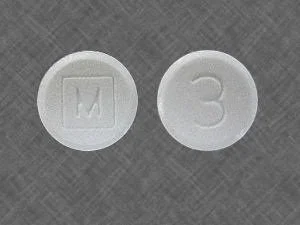
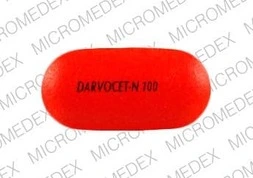
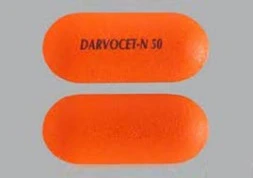
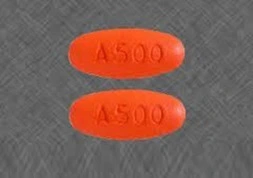
This category collects every pain relief product we stock in one place, so you can compare strengths, pack sizes and manufacturers side by side. Each listing shows exactly what is in the box — the manufacturer, the strength per unit and the number of units per pack — with no vague descriptions and no surprises at checkout. If a variant you need is out of stock, the page says so rather than letting you wait on a backorder you cannot see.
Quality and Sourcing for Pain Relief Products
We buy pain relief products from licensed suppliers only, and every batch is verified before it reaches the shelf: sealed manufacturer packaging, correct strength on the label and a valid expiry date. Anything that fails those checks does not get dispatched. That standard applies to every item in this category, whether it costs twenty dollars or two hundred.
Ordering Pain Relief From This Category
Choose the strength that matches your prescription, pick a pack size that covers the period you need, and check out with card or cryptocurrency. Payment runs through encrypted, PCI-compliant processors, and your bank statement shows a neutral billing descriptor. Orders leave our facility within 24 hours on business days with a tracking number emailed to you before the parcel reaches the first sorting hub.
Discreet Delivery and Support
Every parcel ships in plain, unmarked packaging with no pharmacy branding on the outside, and no description of the contents on the label. Delivery is tracked end to end, worldwide, with standard and express options at checkout. If anything about your pain relief order needs attention, our support team answers by live chat and email every day — most questions settle in a single reply.
Pain Relief: Frequently Asked Questions
Are the pain relief products on this page genuine?
Yes. We source from licensed suppliers and verify every batch for sealed manufacturer packaging, correct strength and a valid expiry date before dispatch.
How is pain relief packaging kept discreet?
Plain, unmarked boxes with no pharmacy branding and no description of contents on the label. Your bank statement also shows a neutral billing descriptor.
How fast does a pain relief order ship?
Orders dispatch within 24 hours on business days, and the tracking number reaches your inbox as soon as the parcel scans into the carrier network.
Further reading: independent background on pain relief at Wikipedia and the NHS medicines information service.
Browse the full PocketPills shop for related products, or read our ordering FAQ before checkout.
Consistency matters more than almost any other factor when you are managing a long-term treatment. Take each dose at the same time of day, use a pill organizer or phone reminder if that helps, and never double up after a missed dose without checking the patient leaflet or asking a pharmacist first.
Keep an up-to-date list of everything you take — prescriptions, over-the-counter products and supplements — and share it with any clinician who treats you. Interaction checks are only as good as the information behind them, and an honest medication list is one of the simplest ways to stay safe.
Plan refills ahead. Running out of a medicine abruptly is one of the most common — and most avoidable — problems patients run into. Order replacements before your current supply drops below a week, and keep your pharmacy’s contact details handy in case delivery timing changes.
Storage is easy to overlook. Most medicines belong at room temperature, away from bathroom humidity and direct sunlight, in their original labeled packaging. Proper storage protects potency from the first dose to the last.
Patients often ask how to get the most from their care between appointments. Keep a simple symptom diary for the first few weeks of any new treatment, note the timing of each dose, and bring that record to your next consultation — clinicians can adjust therapy far more precisely when they see real patterns rather than recall.
Cost is another common concern. Compare pack sizes rather than headline prices, check whether a larger pack lowers the cost per dose, and remember that repeat-order promotions exist for a reason — many patients set a reminder to reorder on the same day each month and never pay rush prices again.
Finally, treat online information — including this article — as general guidance, not a substitute for personalized medical advice. Your prescriber knows your history, your other medicines and your goals; nothing on the internet does.
Consistency matters more than almost any other factor when you are managing a long-term treatment. Take each dose at the same time of day, use a pill organizer or phone reminder if that helps, and never double up after a missed dose without checking the patient leaflet or asking a pharmacist first.
Keep an up-to-date list of everything you take — prescriptions, over-the-counter products and supplements — and share it with any clinician who treats you. Interaction checks are only as good as the information behind them, and an honest medication list is one of the simplest ways to stay safe.
Plan refills ahead. Running out of a medicine abruptly is one of the most common — and most avoidable — problems patients run into. Order replacements before your current supply drops below a week, and keep your pharmacy’s contact details handy in case delivery timing changes.
Storage is easy to overlook. Most medicines belong at room temperature, away from bathroom humidity and direct sunlight, in their original labeled packaging. Proper storage protects potency from the first dose to the last.
Patients often ask how to get the most from their care between appointments. Keep a simple symptom diary for the first few weeks of any new treatment, note the timing of each dose, and bring that record to your next consultation — clinicians can adjust therapy far more precisely when they see real patterns rather than recall.
Cost is another common concern. Compare pack sizes rather than headline prices, check whether a larger pack lowers the cost per dose, and remember that repeat-order promotions exist for a reason — many patients set a reminder to reorder on the same day each month and never pay rush prices again.
Have more questions about pain relief? The PocketPills Pharmacy support team is ready to help with your pain relief order.
Consistency matters more than almost any other factor when you are managing a long-term treatment. Take each dose at the same time of day, use a pill organizer or phone reminder if that helps, and never double up after a missed dose without checking the patient leaflet or asking a pharmacist first.
Have more questions about pain relief? The PocketPills Pharmacy support team is ready to help with your pain relief order.
Keep an up-to-date list of everything you take — prescriptions, over-the-counter products and supplements — and share it with any clinician who treats you. Interaction checks are only as good as the information behind them, and an honest medication list is one of the simplest ways to stay safe.
Have more questions about pain relief? The PocketPills Pharmacy support team is ready to help with your pain relief order.
Plan refills ahead. Running out of a medicine abruptly is one of the most common — and most avoidable — problems patients run into. Order replacements before your current supply drops below a week, and keep your pharmacy’s contact details handy in case delivery timing changes.
Have more questions about pain relief? The PocketPills Pharmacy support team is ready to help with your pain relief order.
Have more questions about pain relief? The PocketPills Pharmacy support team is ready to help with your pain relief order.
Showing 1–16 of 92 results